01
Tuned for design work
Agents focus on the kinds of questions you already ask early, like massing, options, visuals, and constraints, rather than generic back-and-forth.
many specialized intelligences → orchestration → continuity of decisions and knowledge
Agents and workflows composed into systems your studio can run, reuse, and refine.
The agents
Not just a chat box: models that plan, call on your tools and data, revise, and stop for your sign-off when you need it.
Goals are split into ordered moves (gather context, propose directions, then refine) instead of a single rushed answer.
Steps can lean on files, knowledge, and the blocks you wired so outputs stay tied to what your project actually contains.
When something misses the brief, the flow can loop: compare options, tighten wording, or try again with clearer constraints.
Pauses for approval, notes, or overrides when you want humans in charge before the next stage runs.
Compose specialized assistants into flows so exploration, documentation, and review stay structured, whether you are on competition work or delivery.
Agents focus on the kinds of questions you already ask early, like massing, options, visuals, and constraints, rather than generic back-and-forth.
Give each step a narrow job: explore, summarize, critique, or package results. The workflow carries context from one design agent to the next.
Attach office skills, checklists, and tone so outputs read like your team wrote them, not like a random model.
Save agent chains as workflows you open on the next brief: same process, new site and inputs.
The memory
Most studios lose context in files only one person uploaded and threads that scroll away. Versur keeps operational knowledge where the next project, person, and agent run can actually use it.
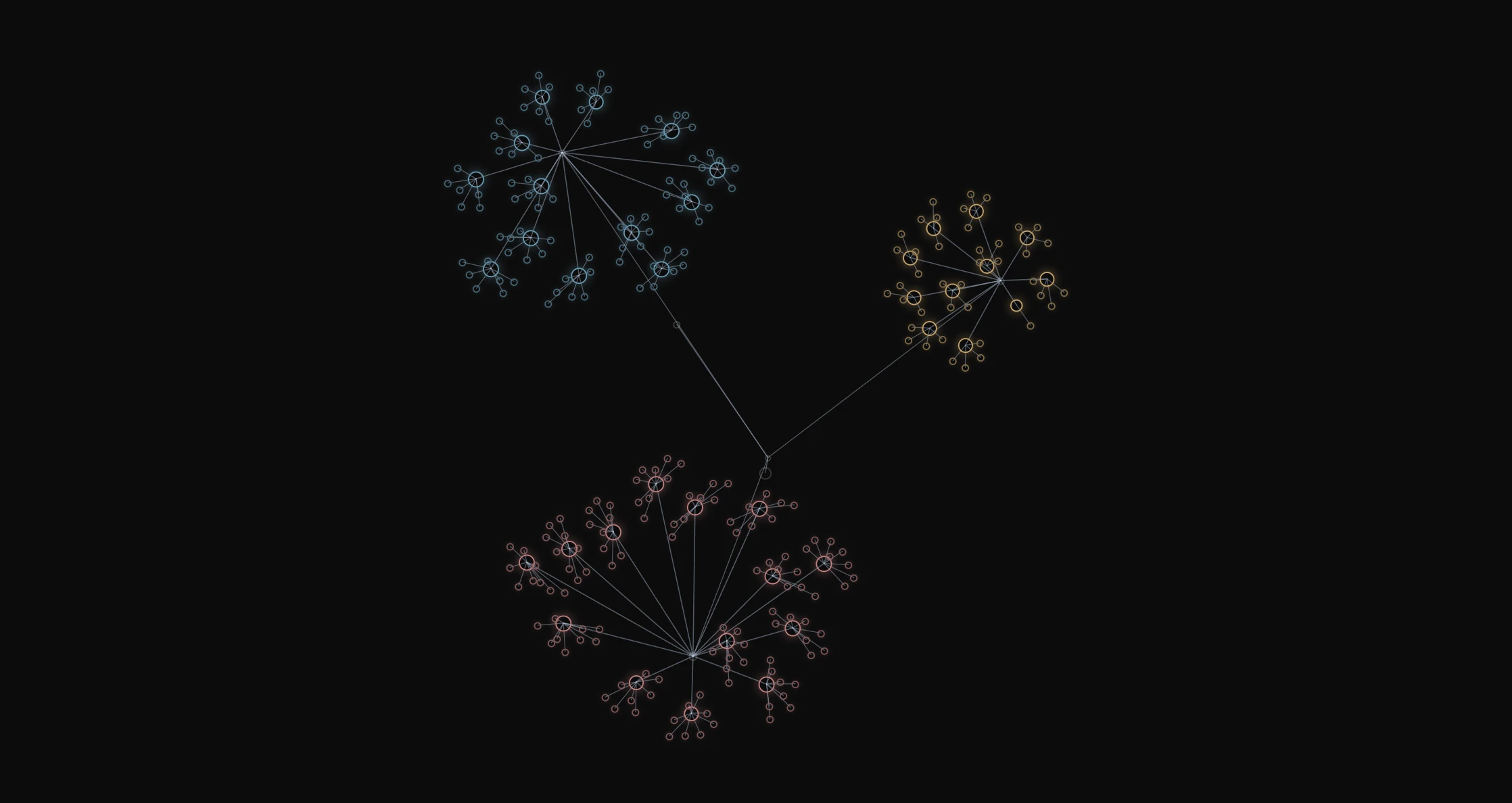
Projects, sites, people, meetings, and decisions linked together - what the practice knows, ready for Ask and every agent run.
Text, images, video, and audio all indexed into the same graph. A site photo is as searchable as a decision memo.
While you sleep, Brain re-reads what it ingested and flags contradictions, gaps, and conflicts. You show up to a morning list, not surprises later.
Who the client is, what you agreed on site, what last week's review decided - remembered on the next brief, hire, and run.
The workflows
Build the method as a graph, call it with new inputs, and let improvements carry to every project after.
Define how design decisions are made - research, generate, evaluate, iterate - as a visual graph, not a single prompt.
Open the workflow with new inputs. The same method runs - site, client, and constraints change, the process does not.
Expose it as an API when Rhino, Grasshopper, or Revit needs to call the process directly from the desk.
Compile expertise once. Next competition, next site, next hire - same system, new inputs.
The studios
A practice isn't one team with one workflow. Studios publish a workflow as a chat surface to a specific team - competition, delivery, management - so the good ones don't get buried.
Running promise to proof on the Punta Bianca brief.
After 4 iterations: The current deliverable maintains a champion score of 7, with three high-priority promises remaining unproven.
Competition team, delivery team, management - each gets a Studio with the workflows they actually need at hand.
The super-users build the workflow. Everyone else calls it from a chat box. Senior architects never have to open a node graph.
Public link, password-protected, or restricted to a specific organization's email domain. Deploy inside or outside the studio walls.
A workflow, its inputs, its outputs, and who ran it - visible at the Studio level, not scattered across seats.
From studios
Patterns we hear from architects, computational designers, and design-led teams.
“Most AI tools give you a black box and call it customization. Versur is different. You create your own agents - no code - and Versur Agent lays out the multi-agent graph with prompts, tools, skills, and loops already defined. That's custom AI at the level practices actually need.”
“The surprise wasn't that it could make a workflow. It's that it could make one at practice depth: two phases, parallel subcontractor packs, focused agents instead of one mega-step, knowledge-backed checks, then a scored recommendation at the end. That's the complexity we live in - and Versur Agent actually built it.”
“I'm not the person who sets up servers. I design buildings. What I need to know is simple: does this send the project somewhere we don't control? For a long time the answer with AI tools was yes, so we stayed away. With Versur Bridge we can keep that work in-house when it matters. That was the difference between another AI tool and something we could actually put in front of the partners.”
“I wasn't looking for another AI tool. We already have those. What we needed was a place to turn how the office actually works into something we can reuse - workflows we build once and call again. That's what Versur is for us. Not a model. The infrastructure for the practice.”
“We stopped chasing one mega-prompt. Analysis, then generation, then critique - each as its own block.”
“Most AI tools give you a black box and call it customization. Versur is different. You create your own agents - no code - and Versur Agent lays out the multi-agent graph with prompts, tools, skills, and loops already defined. That's custom AI at the level practices actually need.”
“The surprise wasn't that it could make a workflow. It's that it could make one at practice depth: two phases, parallel subcontractor packs, focused agents instead of one mega-step, knowledge-backed checks, then a scored recommendation at the end. That's the complexity we live in - and Versur Agent actually built it.”
“I'm not the person who sets up servers. I design buildings. What I need to know is simple: does this send the project somewhere we don't control? For a long time the answer with AI tools was yes, so we stayed away. With Versur Bridge we can keep that work in-house when it matters. That was the difference between another AI tool and something we could actually put in front of the partners.”
“I wasn't looking for another AI tool. We already have those. What we needed was a place to turn how the office actually works into something we can reuse - workflows we build once and call again. That's what Versur is for us. Not a model. The infrastructure for the practice.”
“We stopped chasing one mega-prompt. Analysis, then generation, then critique - each as its own block.”
“Most AI tools give you a black box and call it customization. Versur is different. You create your own agents - no code - and Versur Agent lays out the multi-agent graph with prompts, tools, skills, and loops already defined. That's custom AI at the level practices actually need.”
“The surprise wasn't that it could make a workflow. It's that it could make one at practice depth: two phases, parallel subcontractor packs, focused agents instead of one mega-step, knowledge-backed checks, then a scored recommendation at the end. That's the complexity we live in - and Versur Agent actually built it.”
“I'm not the person who sets up servers. I design buildings. What I need to know is simple: does this send the project somewhere we don't control? For a long time the answer with AI tools was yes, so we stayed away. With Versur Bridge we can keep that work in-house when it matters. That was the difference between another AI tool and something we could actually put in front of the partners.”
“I wasn't looking for another AI tool. We already have those. What we needed was a place to turn how the office actually works into something we can reuse - workflows we build once and call again. That's what Versur is for us. Not a model. The infrastructure for the practice.”
“We stopped chasing one mega-prompt. Analysis, then generation, then critique - each as its own block.”
“Most AI tools give you a black box and call it customization. Versur is different. You create your own agents - no code - and Versur Agent lays out the multi-agent graph with prompts, tools, skills, and loops already defined. That's custom AI at the level practices actually need.”
“The surprise wasn't that it could make a workflow. It's that it could make one at practice depth: two phases, parallel subcontractor packs, focused agents instead of one mega-step, knowledge-backed checks, then a scored recommendation at the end. That's the complexity we live in - and Versur Agent actually built it.”
“I'm not the person who sets up servers. I design buildings. What I need to know is simple: does this send the project somewhere we don't control? For a long time the answer with AI tools was yes, so we stayed away. With Versur Bridge we can keep that work in-house when it matters. That was the difference between another AI tool and something we could actually put in front of the partners.”
“I wasn't looking for another AI tool. We already have those. What we needed was a place to turn how the office actually works into something we can reuse - workflows we build once and call again. That's what Versur is for us. Not a model. The infrastructure for the practice.”
“We stopped chasing one mega-prompt. Analysis, then generation, then critique - each as its own block.”
“Studio memory is the quiet win. Project two starts closer to our language instead of a blank chat.”
“Versur Studios are gold mines. Define units of intelligence with Versur Agent, then deploy them for your team as Studios.”
“For concept work we have a workflow that takes the brief, kicks out a few directions, and has a check step before anything goes to the client. We run it more than we redraw the process.”
“Concept is one workflow. Schematic is another. DD and delivery have theirs. Different graphs, same place. People just open the one for the phase they're in.”
“Studio memory is the quiet win. Project two starts closer to our language instead of a blank chat.”
“Versur Studios are gold mines. Define units of intelligence with Versur Agent, then deploy them for your team as Studios.”
“For concept work we have a workflow that takes the brief, kicks out a few directions, and has a check step before anything goes to the client. We run it more than we redraw the process.”
“Concept is one workflow. Schematic is another. DD and delivery have theirs. Different graphs, same place. People just open the one for the phase they're in.”
“Studio memory is the quiet win. Project two starts closer to our language instead of a blank chat.”
“Versur Studios are gold mines. Define units of intelligence with Versur Agent, then deploy them for your team as Studios.”
“For concept work we have a workflow that takes the brief, kicks out a few directions, and has a check step before anything goes to the client. We run it more than we redraw the process.”
“Concept is one workflow. Schematic is another. DD and delivery have theirs. Different graphs, same place. People just open the one for the phase they're in.”
“Studio memory is the quiet win. Project two starts closer to our language instead of a blank chat.”
“Versur Studios are gold mines. Define units of intelligence with Versur Agent, then deploy them for your team as Studios.”
“For concept work we have a workflow that takes the brief, kicks out a few directions, and has a check step before anything goes to the client. We run it more than we redraw the process.”
“Concept is one workflow. Schematic is another. DD and delivery have theirs. Different graphs, same place. People just open the one for the phase they're in.”
In the press
“A lot of AI demos in AEC start and end at image generation. This one started somewhere else entirely.”
“With agentic AI, the architect changes from a curator to an orchestrator of agents.”
“People are tending to rely more and more on automation, but that's a big problem because they lose control. What you have here gives back that control.”
“A groundbreaking tool that's setting a completely new framework for how we think about collaborating with AI - the most advanced tool I've seen for AI, for creativity within architecture.”
Your stack
You are not buying access to a single model. You are buying the infrastructure that runs your process - on the apps, keys, and hardware your studio already uses. Governance is a real choice, not a checkbox: studio data goes to a third-party model only when you decide it should.
Integrations
Versur Bridge
Bring your own keys
Rhino, Grasshopper, Revit, and local models on your machine - your tools, your hardware, your data stays home.
Drive, Gmail, Outlook, Teams, Slack, Miro - wired into your process, not sitting in a separate silo you have to copy from.
Your OpenAI, Anthropic, or Gemini contract. Versur orchestrates the process - you keep the provider relationship.
Studio methods and client files are yours to protect. Run on hosted models, or route sensitive steps through Bridge to models on your machine - data leaves only when you choose.
In operation
Operational intelligence, in operation: the process keeps running without you - and your studio can see exactly what happened.
A file lands in Drive, a message arrives in Slack, a webhook fires - the workflow starts without you opening Versur.
Monday morning, every review cycle, end of phase - runs on a timer so repetitive studio work stays off your plate.
Pause for approval, feedback, or sign-off when the process needs a partner or director before the next step runs.
What ran, what it produced, what it cost - a readable history of your studio’s system at work, not a black box.
Every agent your office runs. All in one place.
Opens August 19 - accounts + first public Weekly Build
Watch on YouTube and elsewhere. Join Discord to ask questions live.
Infrastructure for executable design.
Every agent your office runs. All in one place.
Opens August 19 - accounts + first public Weekly Build
Watch on YouTube and elsewhere. Join Discord to ask questions live.